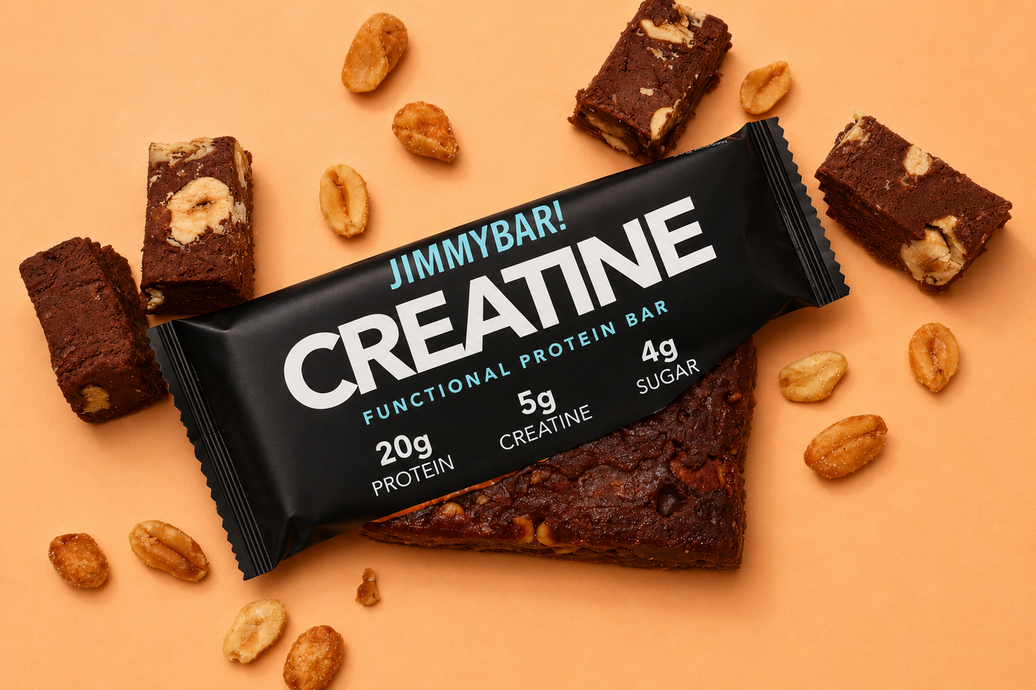
What is creatine exactly?
“It’s a compound your body makes from the protein you eat,” explains Dr. Date. “Its main function is helping muscles produce quick energy.” Research also shows that creatine does many other great things. But to take full advantage, your system may need a nudge.
Is your creatine low?
Here’s something you may not know: Estrogen helps your body produce creatine. So as estrogen naturally declines over the years, your creatine levels drop too. Luckily, a supplement can be so good at restoring levels, women often report feeling 5 or 10 years younger. More good news: Creatine is considered generally safe (as always, get your doctor’s okay before taking any new supplement)—and store brands like Walmart’s Equate creatine monohydrate cost just 17¢ per serving. Which is truly a steal when you consider all the potential payoffs.
Creatine benefits you’ll love
Strength + energy soar
Creatine draws water into muscle cells, which helps stimulate growth. Plus the compound shifts certain hormones and body chemicals in a way that promotes muscle development. And yep, older women reap the rewards. Studies even show regular supplements help seniors aged 60 to 80 build muscle four times faster than a placebo! Bonus: “More muscle almost always translates into better energy and stamina,” notes Dr. Date.
Exercise gets easier
Creatine helps your muscles make ATP, a molecule that lets them work harder without you noticing extra effort, says Dr. Date, chief medical officer of the wellness platform Alive Health. Better yet, a recent Journal of the International Society of Sports Nutrition study found that after just three days of supplementing, adults began bouncing back faster after workouts, with their heart rates returning to normal faster and way less post-exercise soreness.
Blood sugar steadies
Especially when combined with exercise, creatine increases special compounds that help pull sugar from the blood into muscle cells to be used as fuel. The creatine-plus-exercise effect is so powerful, it got a group of patients with full-blown diabetes back into prediabetic range in just 12 weeks. In the same University of Sao Paulo study, an exercise-only group saw no improvement.