Creatine isn't just for bodybuilders anymore. Here's what the science says about one of the world's most researched supplements — and why more people are making it part of their daily routine.
Creatine is having a moment. And for good reason.
Once associated almost exclusively with bodybuilders and serious athletes, creatine is becoming a staple in everyday wellness routines. From strength and exercise performance to emerging research on brain health, this naturally occurring compound is getting attention far beyond the weight room.
But what exactly is creatine? How much do you need? And do you really have to mix another powder into your daily routine?
We're breaking down six things everyone should know about creatine.
1. Your Body Already Makes Creatine
Surprise! Creatine isn't some mysterious ingredient invented in a supplement lab.
Your body naturally produces approximately 1 gram of creatine per day, primarily through processes involving the liver and kidneys. You can also get creatine from foods like meat and fish.
In fact, approximately 95% of the body's creatine stores are found in skeletal muscles, where it plays an important role in energy production.
While your body makes creatine naturally, supplementation can help increase your muscles' creatine stores beyond typical dietary levels.
The takeaway: Creatine is already part of how your body functions. Supplementation simply provides more of it.
2. Creatine Helps Power Your Quick Bursts of Energy
Ever wondered what helps fuel those last few reps, an explosive sprint or a powerful jump?
Creatine plays a role in your body's ability to regenerate adenosine triphosphate (ATP), the primary energy source your muscles use during intense activity.
During short bursts of high-intensity exercise, your body uses ATP rapidly. Stored phosphocreatine helps replenish it, supporting repeated efforts when your muscles need energy fast.
That's why creatine is one of the most widely studied supplements for strength, power and high-intensity exercise performance.
Whether you're lifting weights, sprinting or pushing through a challenging workout, creatine can help support your performance.
The takeaway: Creatine helps your muscles regenerate energy during short, intense efforts.
3. 3–5 Grams a Day Is the Sweet Spot
Here's some good news: You don't need a complicated supplement schedule to incorporate creatine into your routine.
Research commonly supports 3–5 grams of creatine monohydrate per day for healthy adults looking to maintain elevated muscle creatine stores.
Consistency helps build and maintain those stores over time. Some protocols use an initial loading phase, but taking a consistent daily amount can also increase muscle creatine levels gradually.
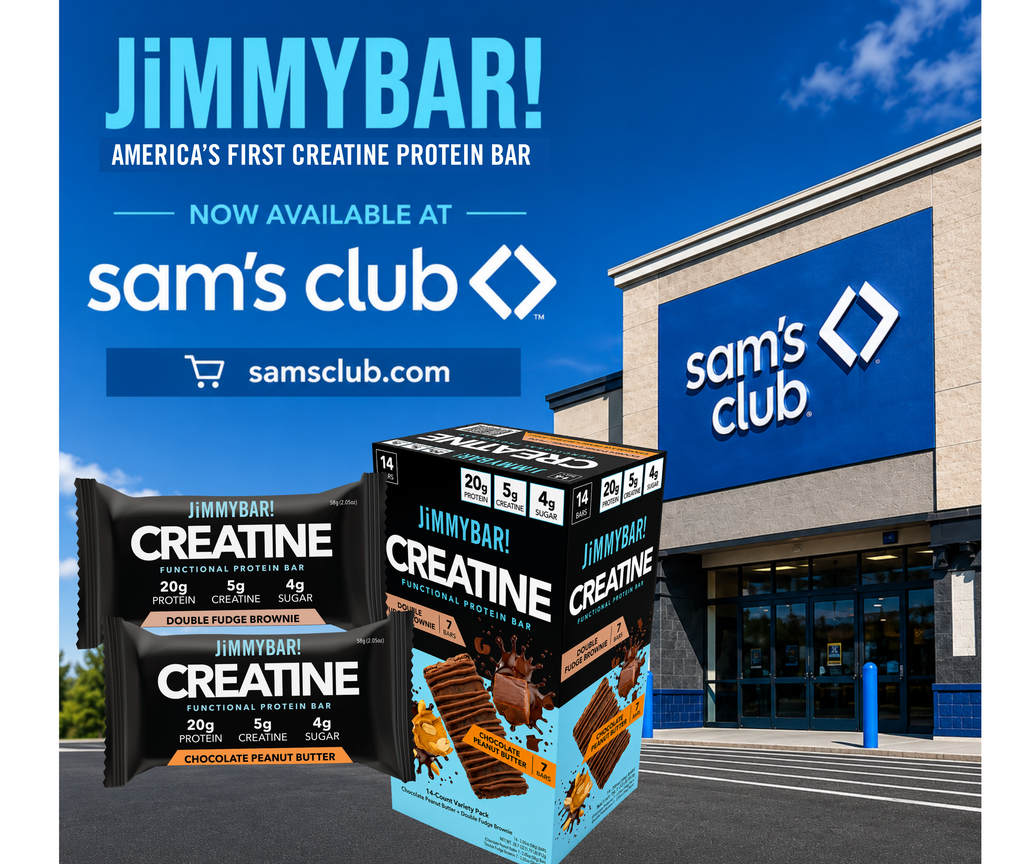
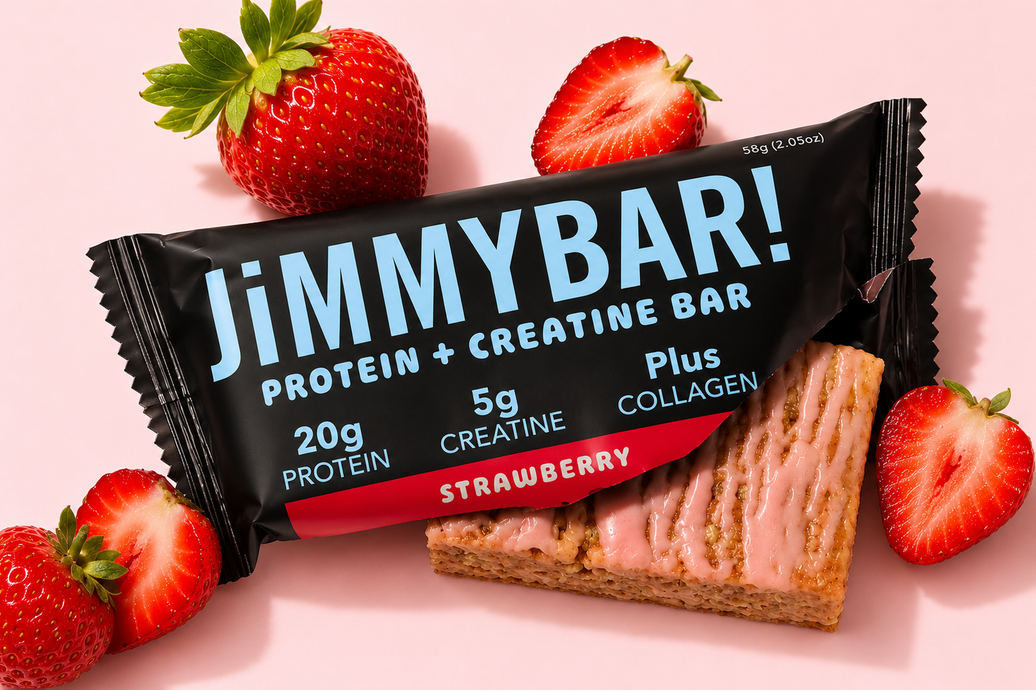
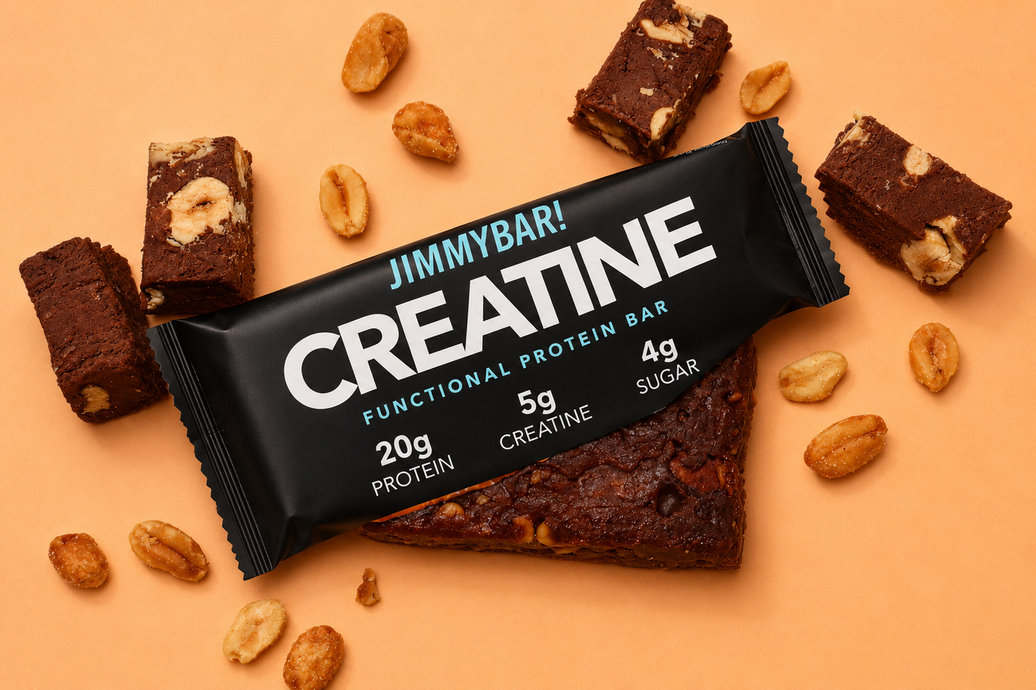
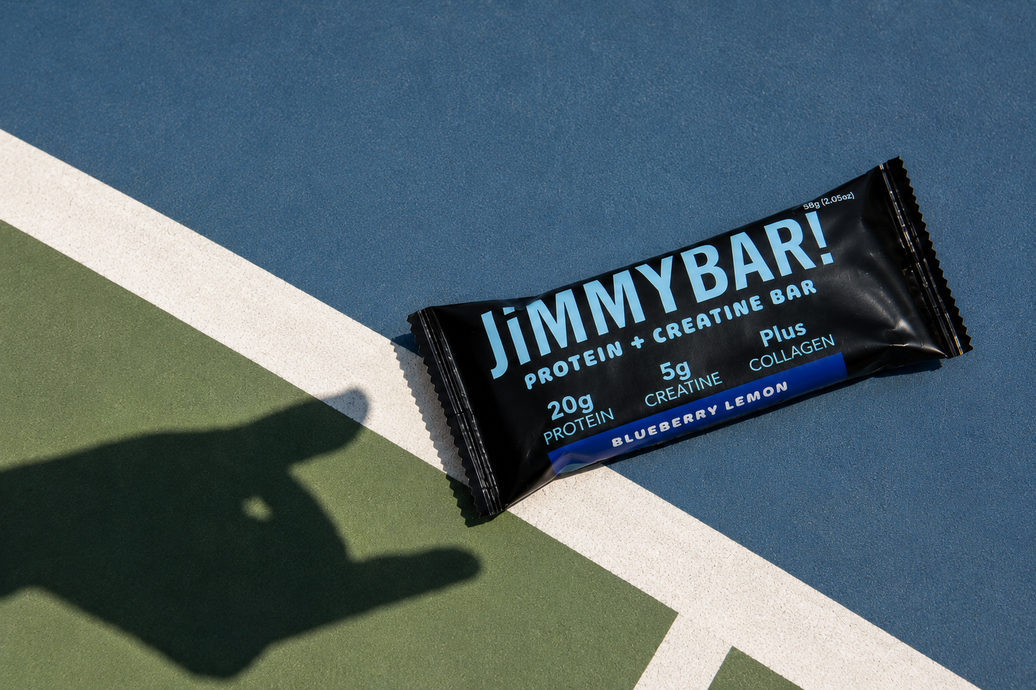
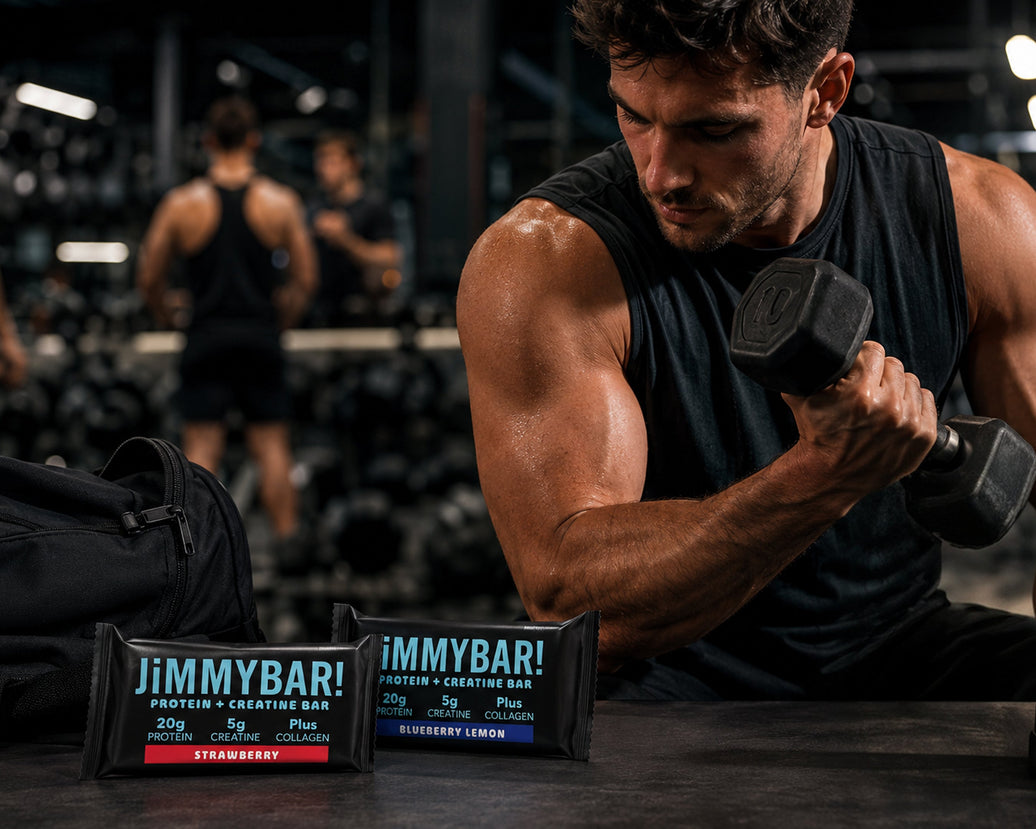
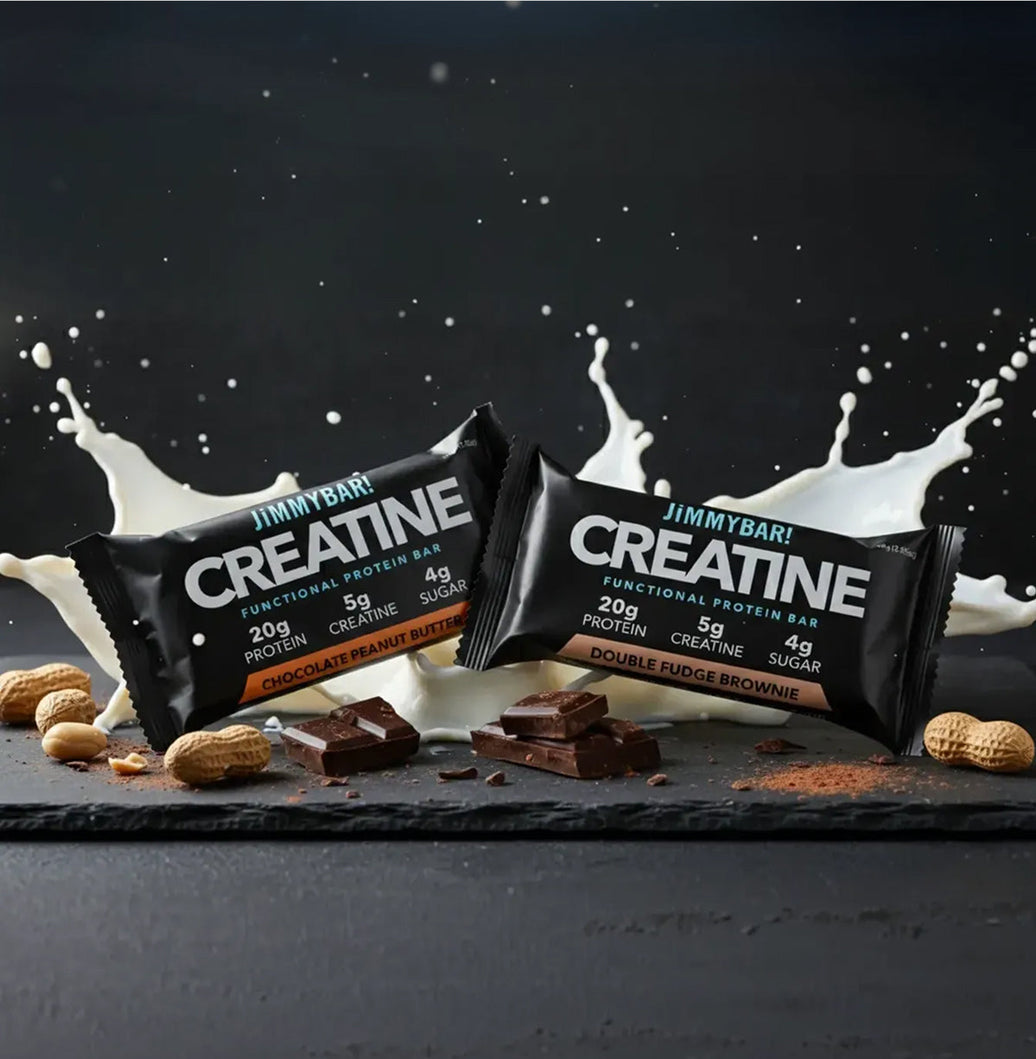
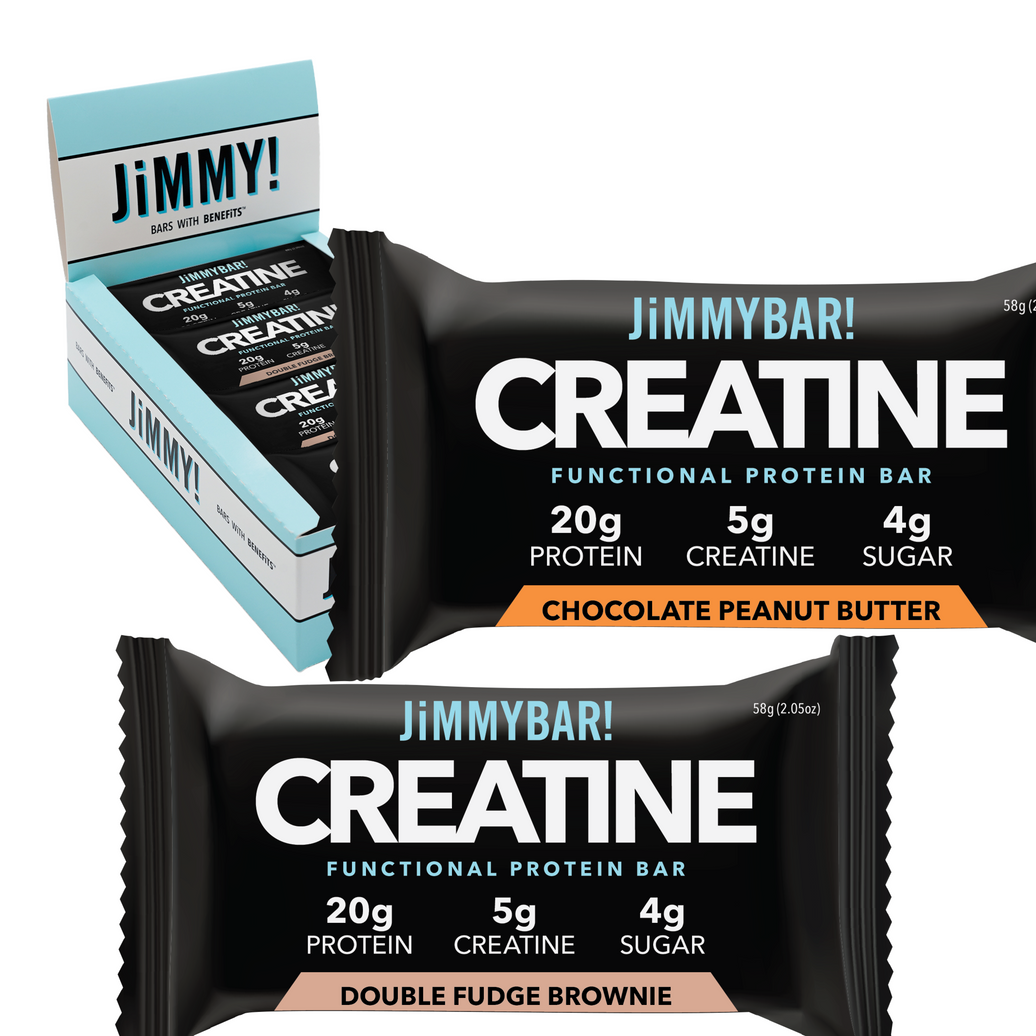
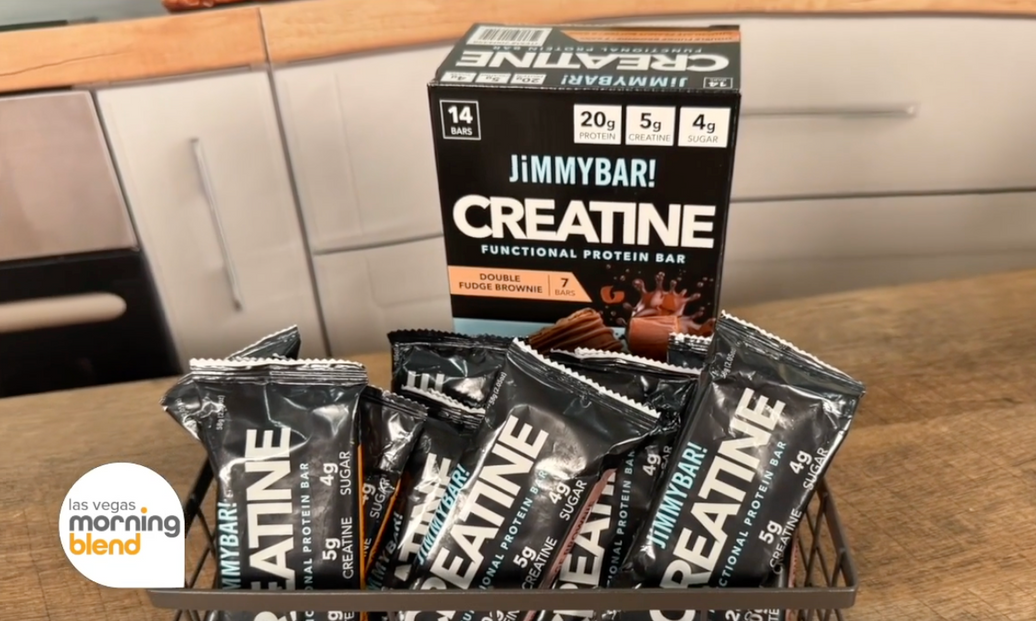
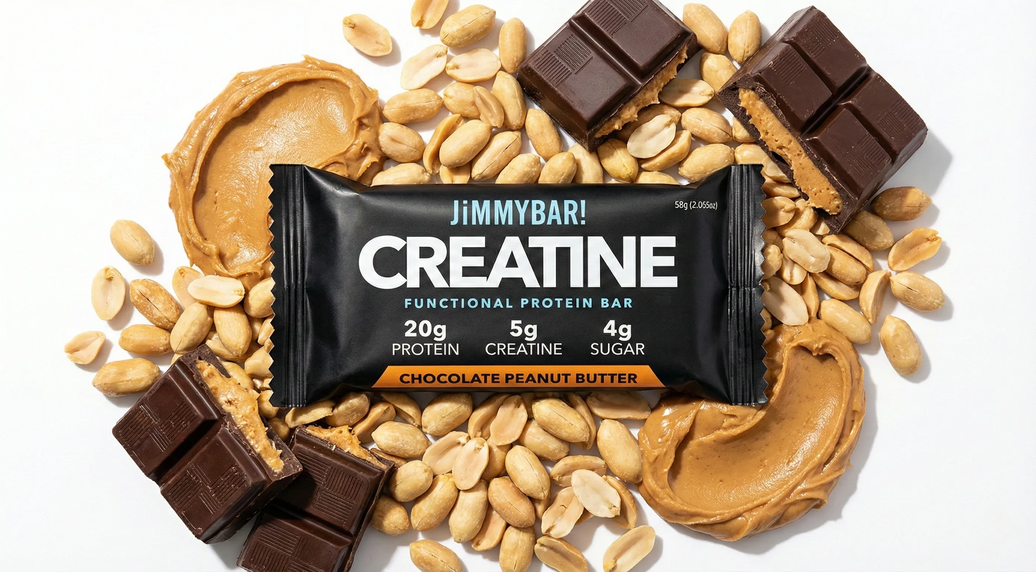
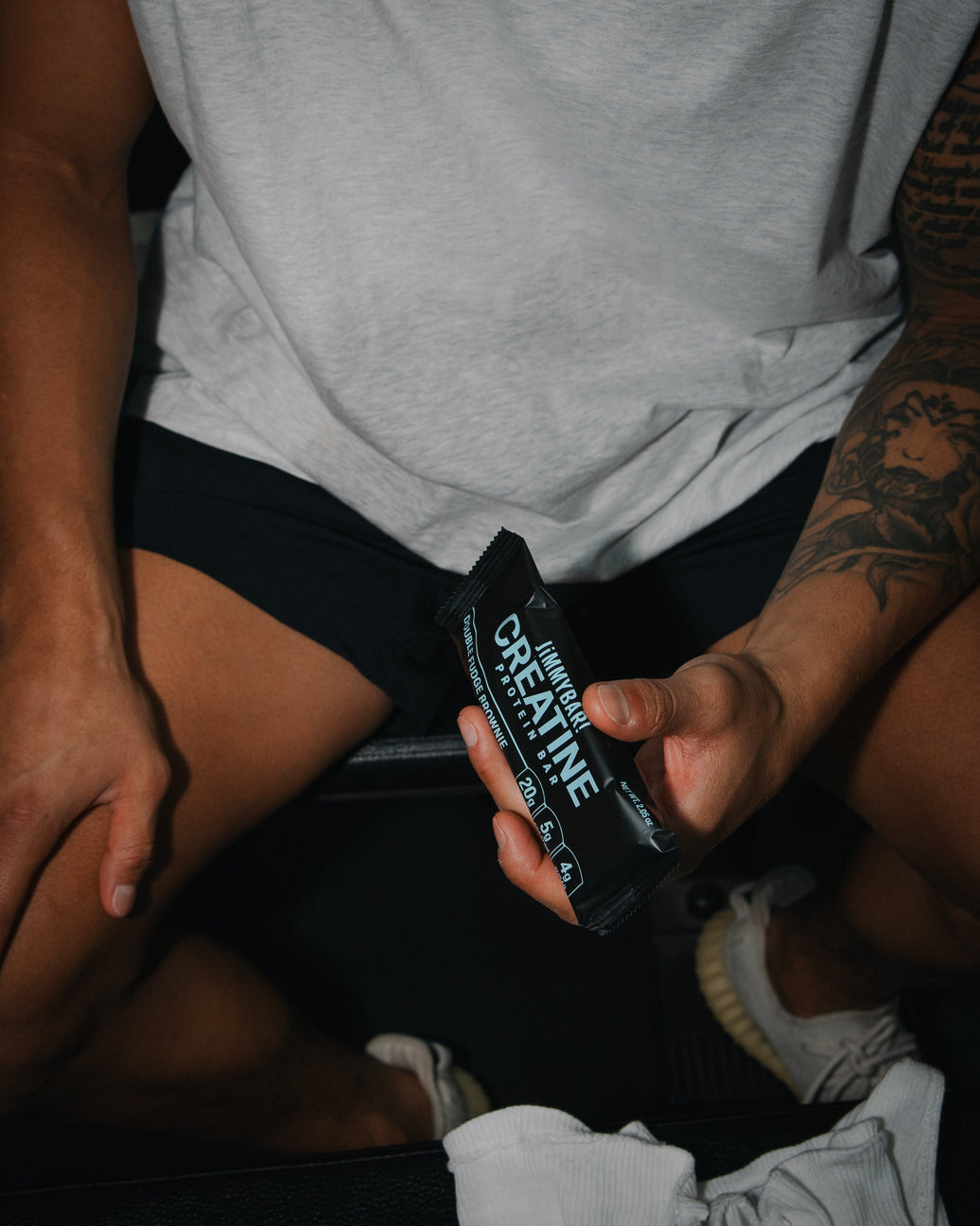
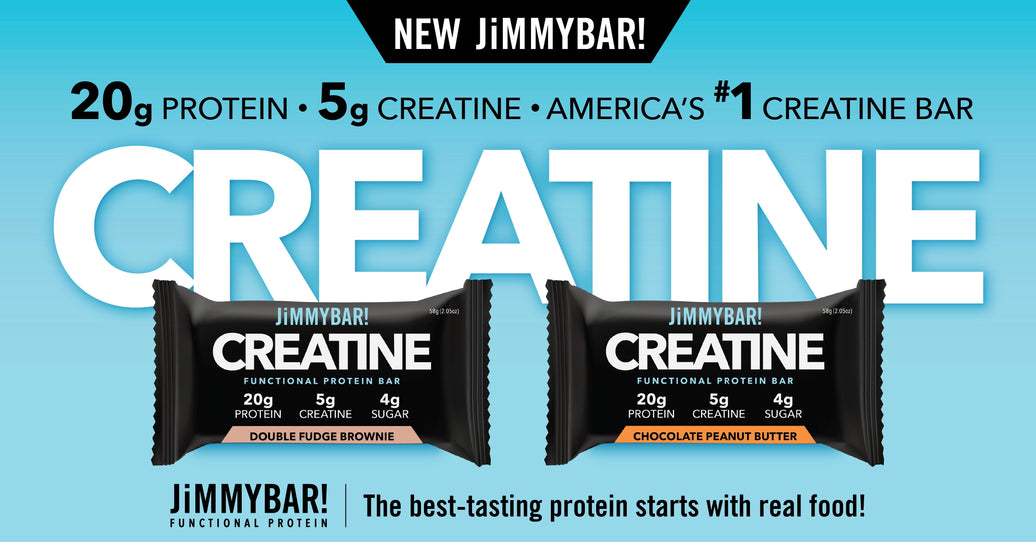
And that's exactly why we created JiMMYBAR!'s Creatine + Protein Bar.
Each bar delivers:
-
20g protein to support your daily protein needs
-
5g creatine monohydrate in one convenient serving
-
Just 4g sugar
-
Delicious flavor without the powders or shakers
One bar. A full 5g serving of creatine. No mixing required.
The takeaway: Getting your daily creatine doesn't need to be complicated.
4. Creatine Isn't Just for Your Muscles
Most people associate creatine with muscle growth and exercise performance, but researchers are also exploring its potential role in brain health.
Just like your muscles, your brain requires energy to function. Creatine plays a role in cellular energy metabolism in the brain, which has sparked scientific interest in its potential effects on cognitive performance.
Emerging research is examining creatine supplementation in relation to memory, attention and other aspects of cognitive function.
While the findings are promising in certain settings, more research is needed to determine who benefits, under what circumstances and at what doses.
The takeaway: Creatine's role in the body extends beyond muscle, and scientists are continuing to investigate its potential cognitive benefits.
5. Creatine Isn't Just for Bodybuilders
Let's retire one of the biggest misconceptions about creatine.
You don't have to be a competitive athlete or spend hours in the gym to be interested in creatine.
Research has explored creatine supplementation across a variety of populations, including women and older adults.
When combined with resistance training, creatine supplementation can help support improvements in muscle strength and performance, including in older adults.
Researchers are also investigating its potential relationship with bone health, although the evidence in that area is still developing.
The bottom line? Creatine research goes far beyond bodybuilding.
Whether you're focused on staying strong, maintaining an active lifestyle or supporting your fitness routine, creatine may be worth considering.
The takeaway: Creatine isn't reserved for elite athletes. Its potential applications are much broader.
6. Consistency Beats Timing
Morning or night? Before your workout or after? With food or without?
Here's what matters most: Taking creatine consistently.
While researchers continue to study whether specific timing strategies offer additional benefits, there's no strong evidence that everyone needs to take creatine at one exact time of day.
Creatine works by increasing and maintaining your body's creatine stores over time, rather than providing an immediate stimulant-like boost.
That means the best time to take creatine is generally whenever you can consistently fit it into your routine.
And when your creatine comes in a delicious protein bar, staying consistent gets a whole lot easier.
The takeaway: Make creatine part of your daily routine instead of stressing about the perfect time to take it.
We Made Creatine You Can Eat.
At JiMMYBAR!, we believe functional nutrition should be simple, convenient and seriously delicious.
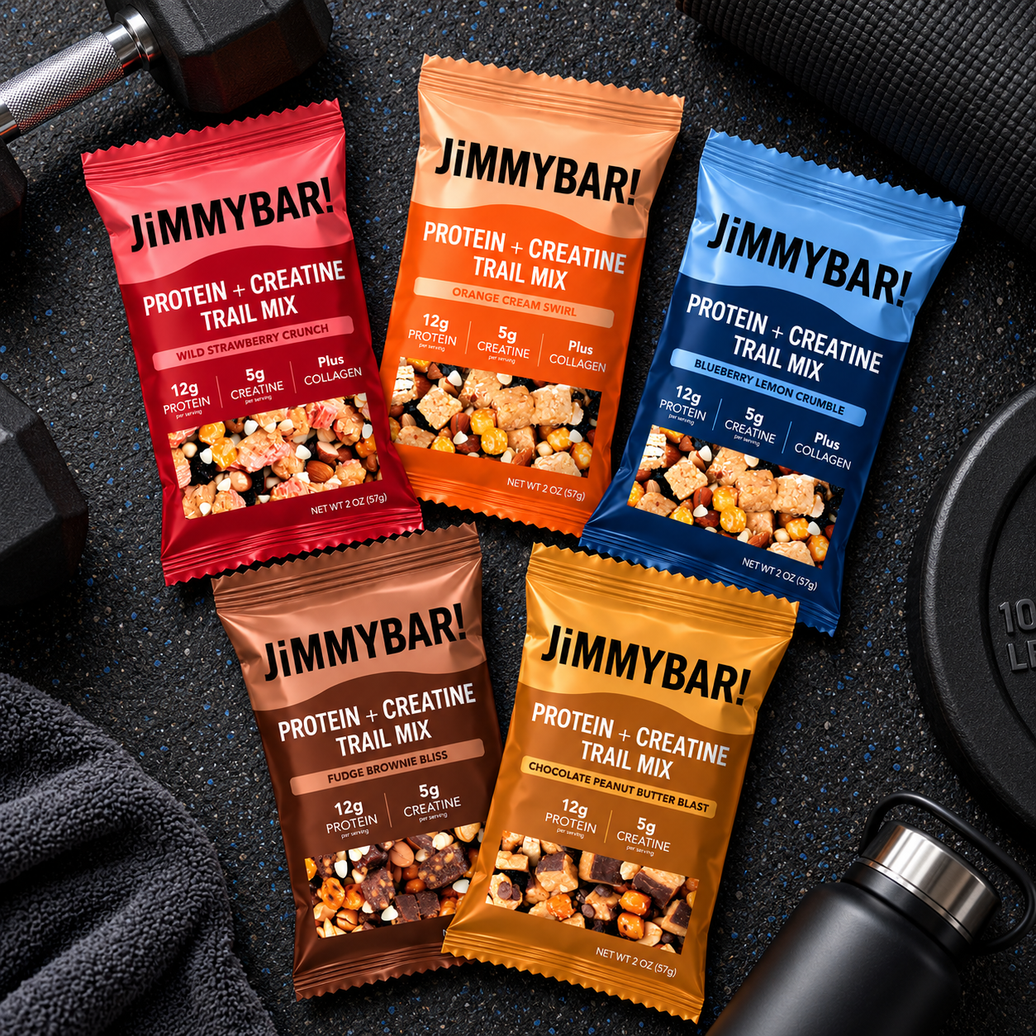
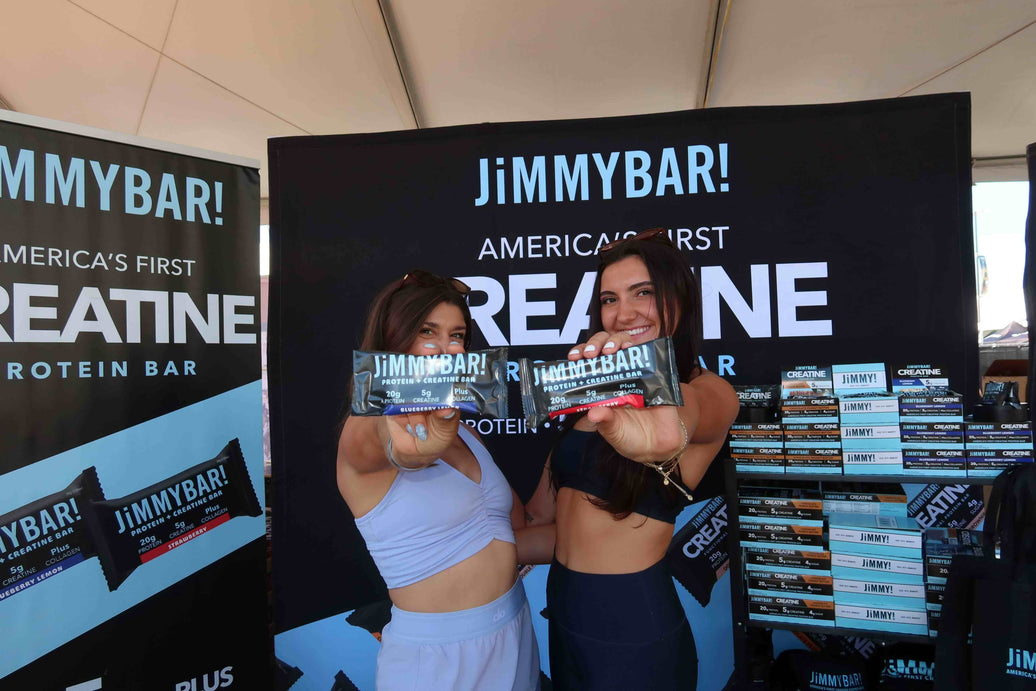
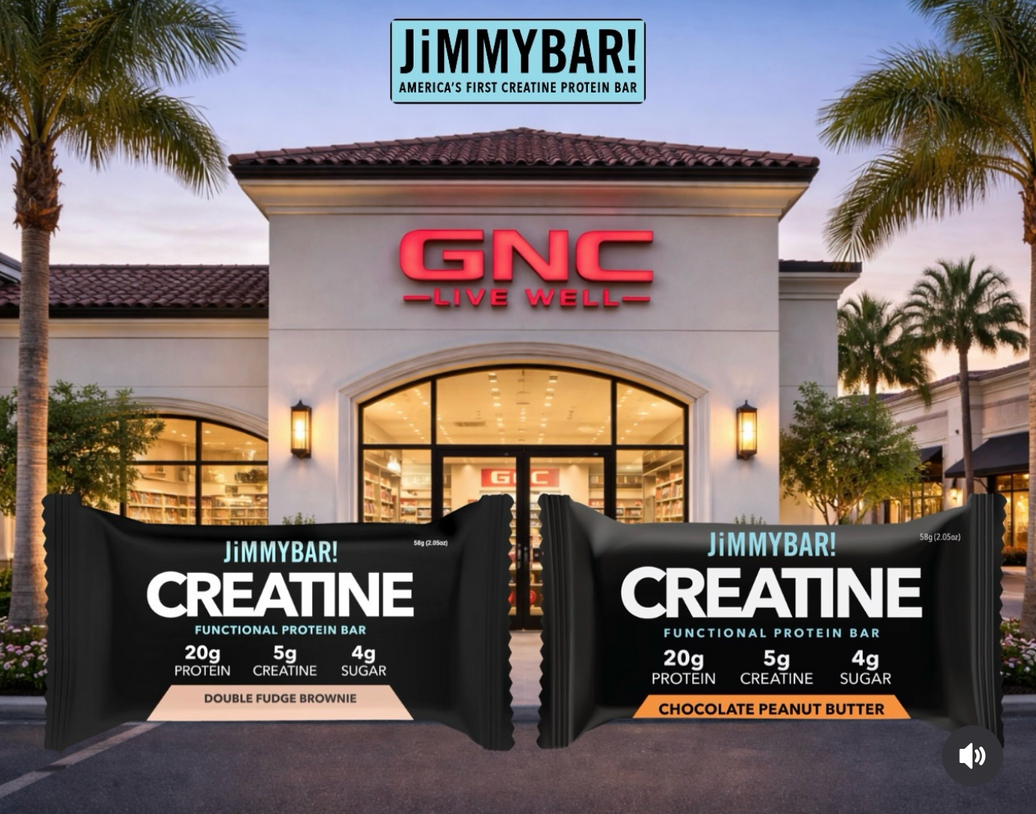
That's why we created America's FIRST Creatine + Protein Bar and the WORLD'S FIRST Creatine + Protein Trail Mix.
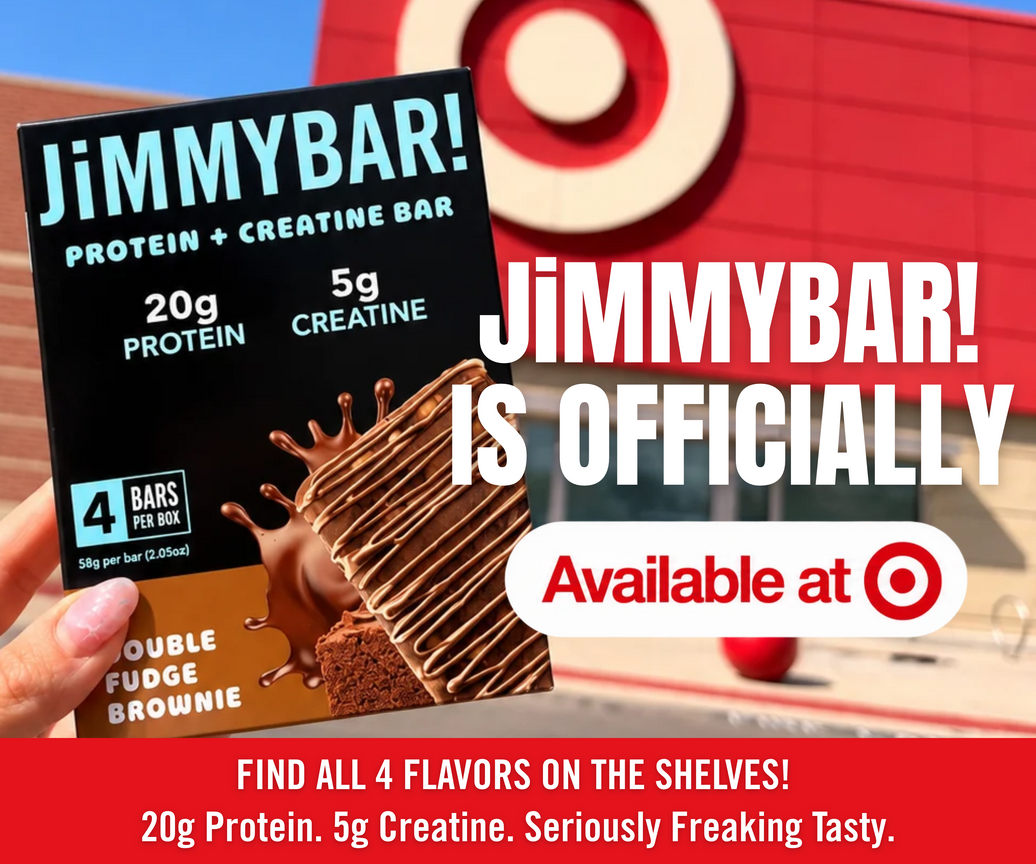
Our Creatine + Protein Bars pack 20g of protein and 5g of creatine monohydrate into one convenient, ready-to-eat bar. Our Creatine + Protein Trail Mix delivers 12g of protein and 5g of creatine per pouch.
No scooping. No mixing. No shakers.
Just real food with real function, designed for real life.
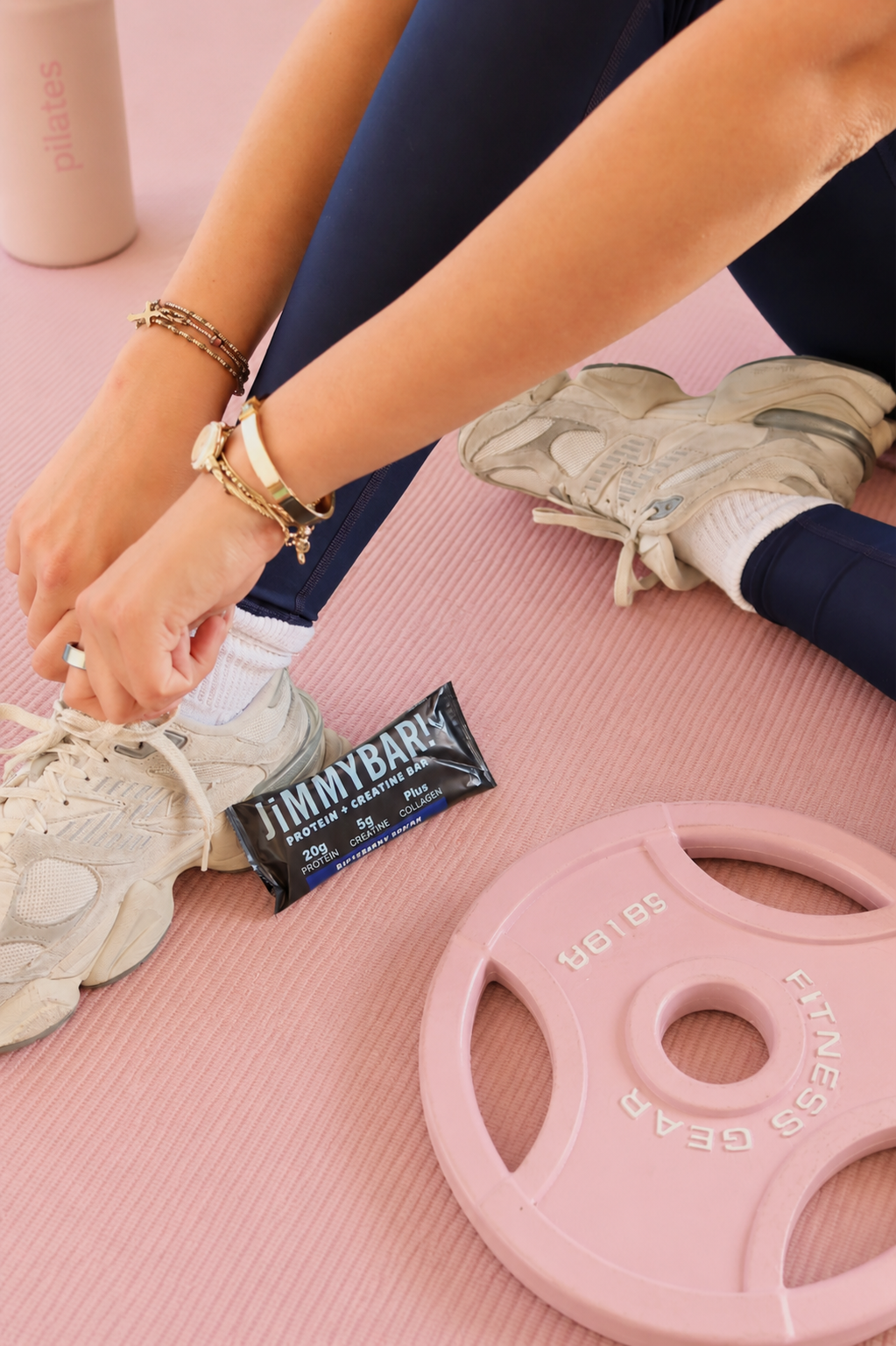
Whether you're heading to the gym, running between meetings, traveling or simply looking for an easier way to incorporate creatine into your day, we've got you covered.
Ready to simplify your creatine routine?
SHOP CREATINE + PROTEIN TRAIL MIX
Sources & Further Reading
International Society of Sports Nutrition (ISSN): Kreider et al. (2017), International Society of Sports Nutrition position stand: Safety and efficacy of creatine supplementation in exercise, sport, and medicine.
This article is intended for general educational purposes and is not medical advice. Individual supplementation needs vary. Consult a qualified healthcare professional if you have questions about whether creatine is appropriate for you.